Best ERP & CRM Software
Built for Industrial Component Manufacturers

Industrial component manufacturers are being asked to do more with the same team. Dhumi builds a connected ERP for auto components manufacturing that ties enquiry, production, quality, and dispatch into one system, so growth stops meaning more chaos.

Supported By

NVIDIA sponsorship
Microsoft for startups
Client Logo 1
Client Logo 2
Client Logo 3
Client Logo 4
Client Logo 5
Client Logo 1

Why Spreadsheets Stop Working As Your Order Book Grows

Here’s the honest problem: 88% of Indian SMEs still run day-to-day work on Excel, Tally, and WhatsApp. For industrial component manufacturers, that gap gets expensive fast. OEM orders to component makers grew 16.3% last year alone.


The businesses that can’t scale their back office alongside their order book start losing ground to the ones who can.


If any of this sounds familiar, you already know the cost of staying as you are:

What Dhumi's ERP For Auto Components Manufacturing Software Actually Does?

For industrial component manufacturers, ERP and CRM aren’t two separate purchases. 

They show a complete picture of the business. This spans from the first OEM inquiry to the invoice after shipping. ACMA represents over 830 organised-sector component manufacturers

They see closer ties with OEMs and better technology as the industry’s next big focus. The numbers support this claim: the sector’s turnover has more than doubled in five years.

A well-built automotive ERP system for this business usually gives you:

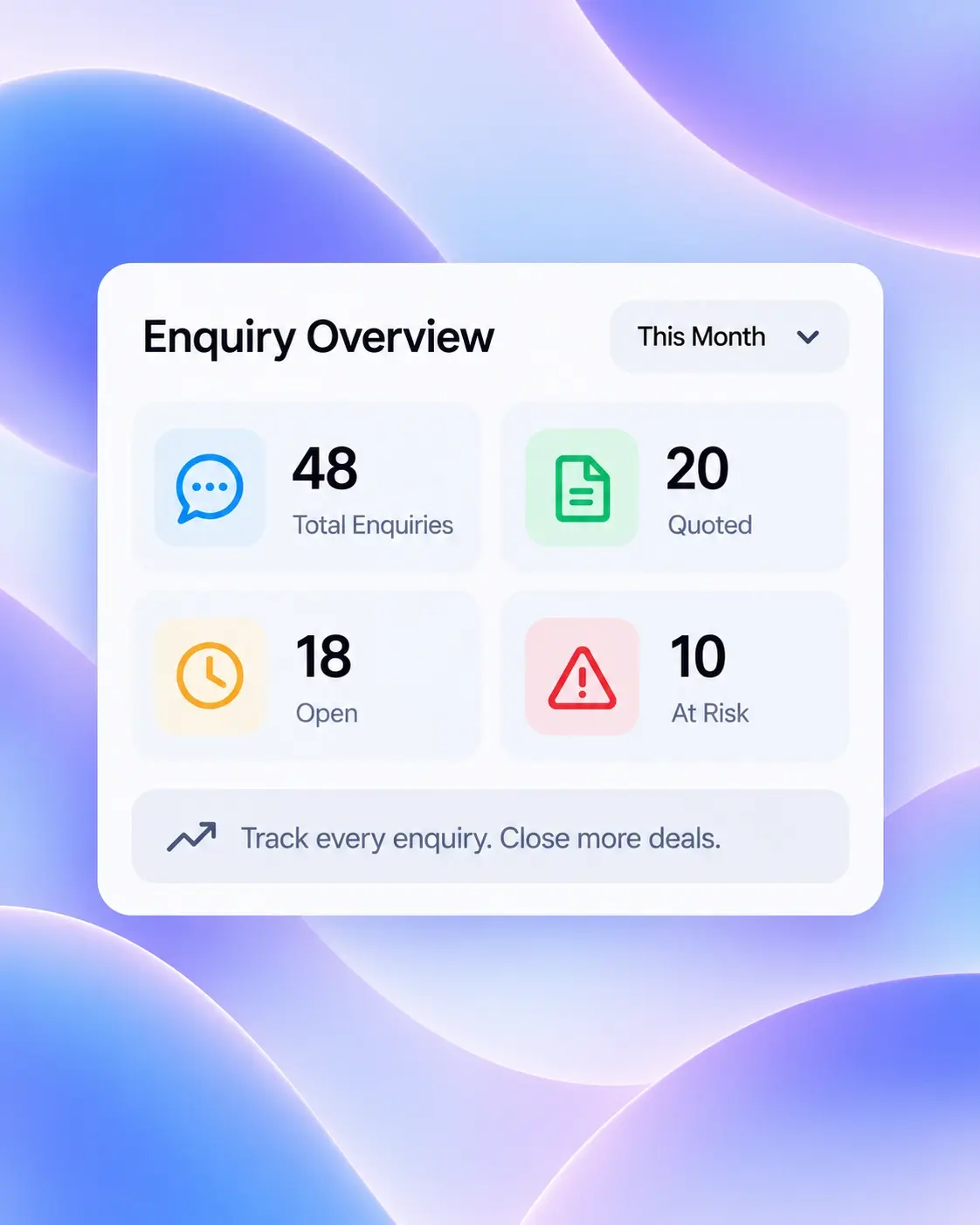
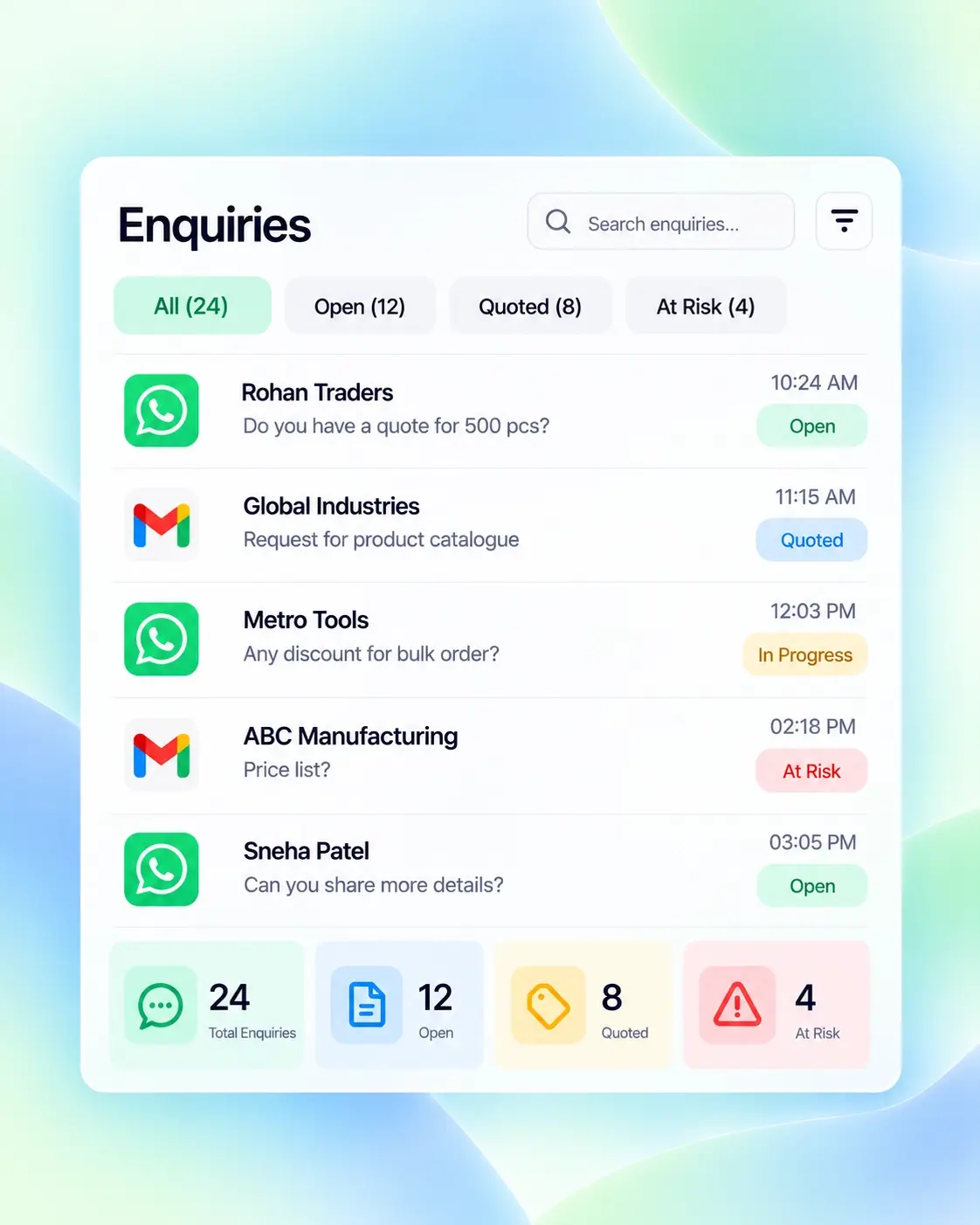
Enquiry and Quote List

Logs, quotes, and tracks every OEM enquiry to a decision, instead of scattering it across inboxes and chats

Job Card and Production Tracking

Real-time status from raw material to finished part, visible to sales and the shop floor at the same time.

Quality and Compliance Paperwork

PPAP-style records and inspection data captured as work happens, not pulled together before an audit.

Stock Accuracy

One count, updated as material moves, not three spreadsheets that disagree.

GST Invoicing

Generated straight from the dispatch record, with no manual re-entry.

Dashboards

One view of open orders, pending quality checks, and dispatch dates for owners and production heads.

How Does A Custom ERP For Auto & Industrial Components Manufacturers Actually Get Built Without Taking Months?

Most software vendors sell you a license and move on to the next customer. Dhumi works differently. 

Your system is built around your unit’s actual operations. 

This creates a monthly partnership based on ongoing effort. It’s not just a one-time project that goes stale when your process changes.

Start by mapping your real workflow. Look at how an inquiry turns into a job card. Check how quality gets signed off. 

Do this before designing any screens. 

It’s also why the build itself moves fast: a working system in 2-3 weeks, not the 6-to-12-month rollouts common with older ERP vendors in this space.

What You Get Detail
Speed 2-3 weeks to a working system your team is actually using
Right-sized plans 3 clearly scoped plans, so you're not paying for more than you need
Ongoing partnership A monthly partnership that grows as your OEM programs change


So what does this mean for a factory owner looking at options? It means the first working screens reflect your job-card format and your dispatch process from day one, not a generic manufacturing template you have to adapt to.

How Does Dhumi's Automotive ERP System Rollout Work?

Week 1

Map Your Workflow

Process mapping. Dhumi's team reviews your enquiry-to-dispatch process: how quotes are made, how job cards are managed, how quality checks get approved, and where delays happen.


Week 1 to 2

Build and Launch The Working MVP

System design. Your CRM list, production tracking, and quality tools get set up around your specific process, not a generic template.

Week 2-3

Connect Finance And Quality

Data move-in. Existing customer records, open orders, and stock get moved in from Excel, Tally, or wherever they live now, and cleaned up along the way.

Week 3

System Goes Live

Your system goes live. Your team starts using the real system for real orders, not a demo.

Ongoing

Keeps Improving & Changes

Monthly changes. The system evolves with new OEM programs, quality rules, or reporting needs each month in our partnership.

Every step is built to be checkable. The factory can see the system running in weeks 2 to 3, not just read about it in a project plan.

Why Manufacturers Pick Dhumi Over An Off-The-Shelf ERP System

Selecting software is about operational alignment, not just features. Unlike rigid, off-the-shelf systems, Dhumi provides flexibility and aligns with your actual processes to boost shop floor efficiency and support long-term growth.

gradient-border

Built Around Your Workflow

Not a generic manufacturing template. The mapping-first process means the first version already looks like your workflow.

case icon
gradient-border

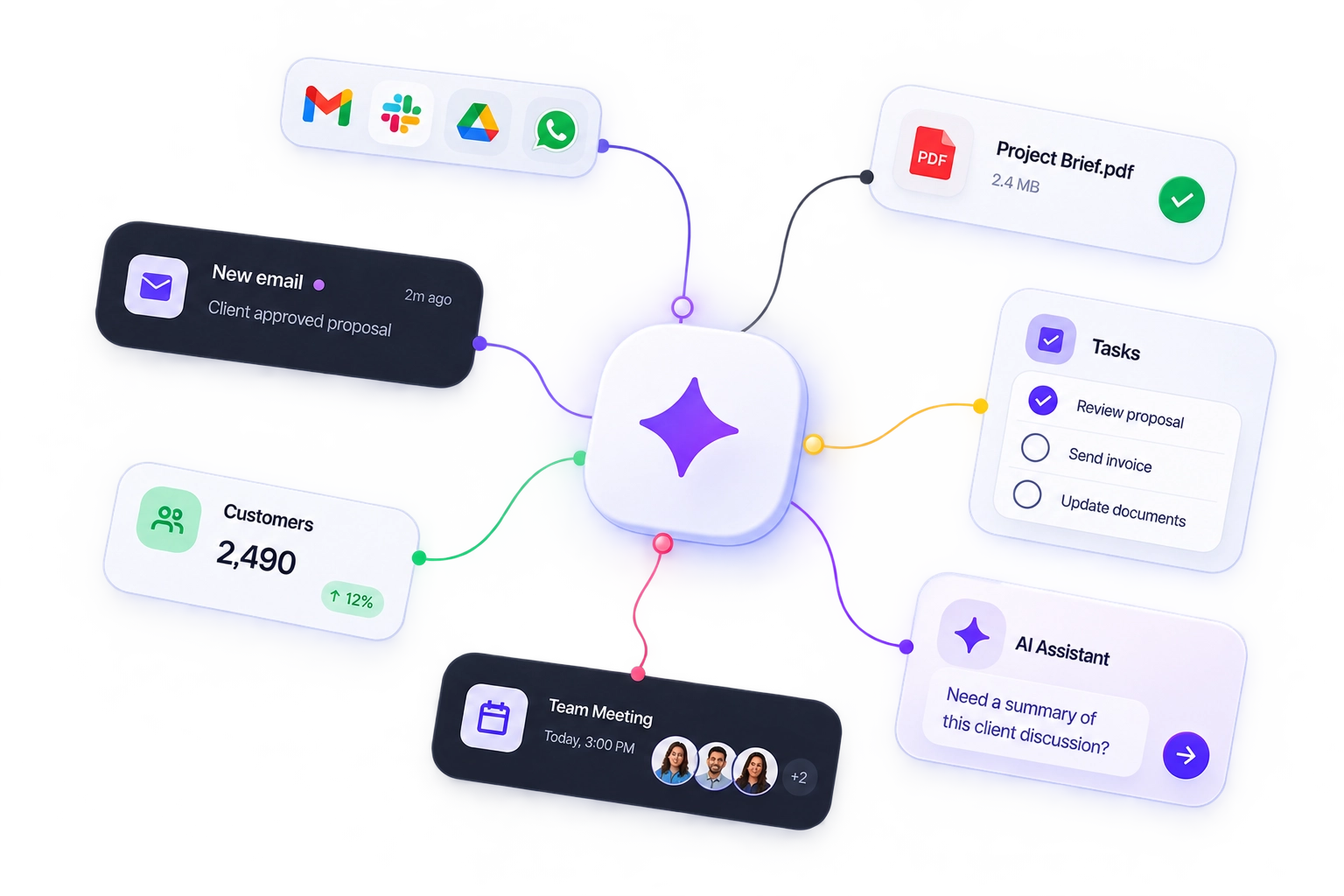
One Connected Platform

Instead of separate tools for CRM, inventory, invoicing, and dashboards that never talk to each other.
case icon
gradient-border

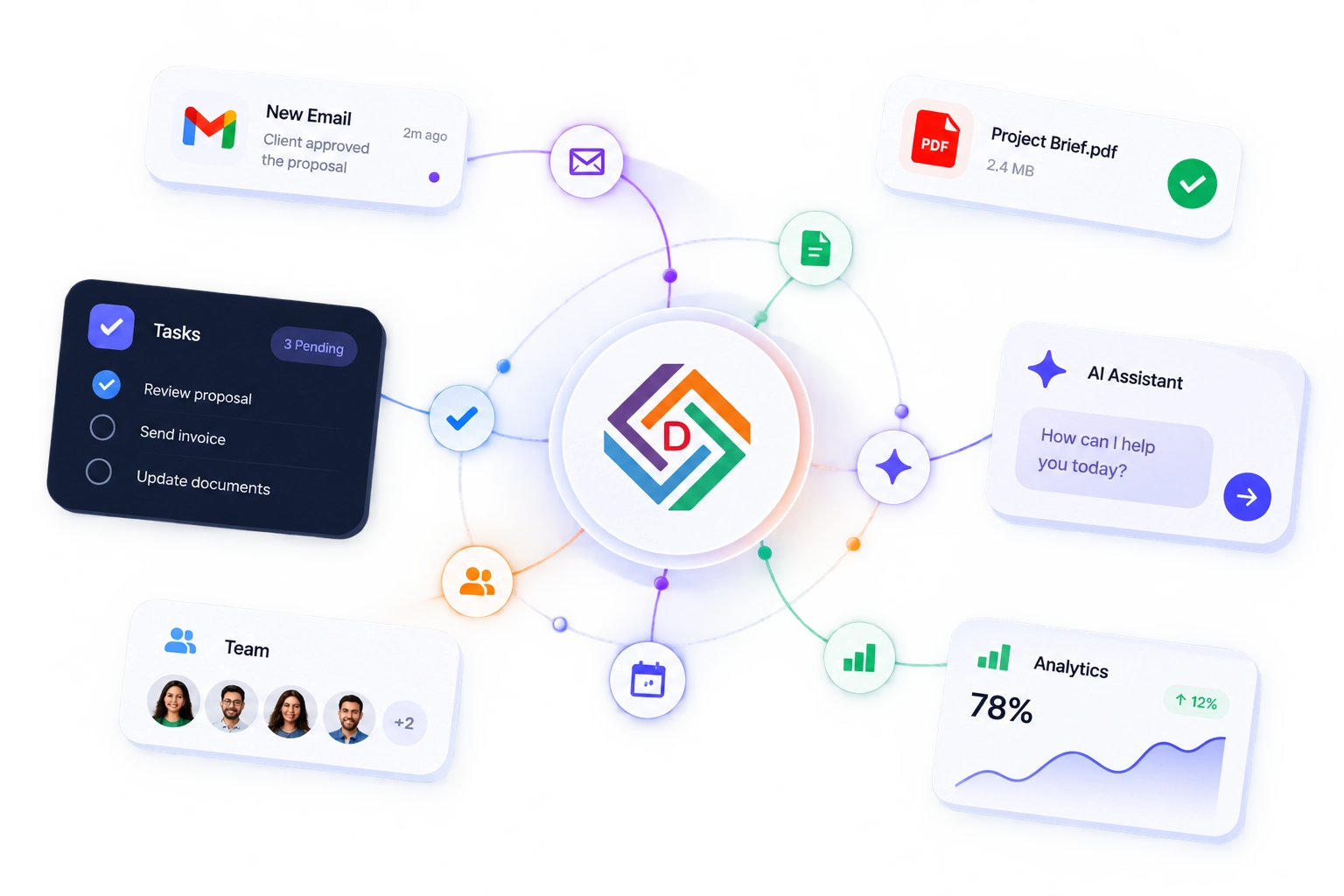
AI Embedded in The Operational Layer

Inventory alerts, approval routing, and delay flags built into the workflow, not sold as a bolt-on module.
case icon
gradient-border

A Partnership That Grows With You

No license-and-disappear model. The subscription continues because the factory keeps getting value, not because of a lock-in contract.

case icon

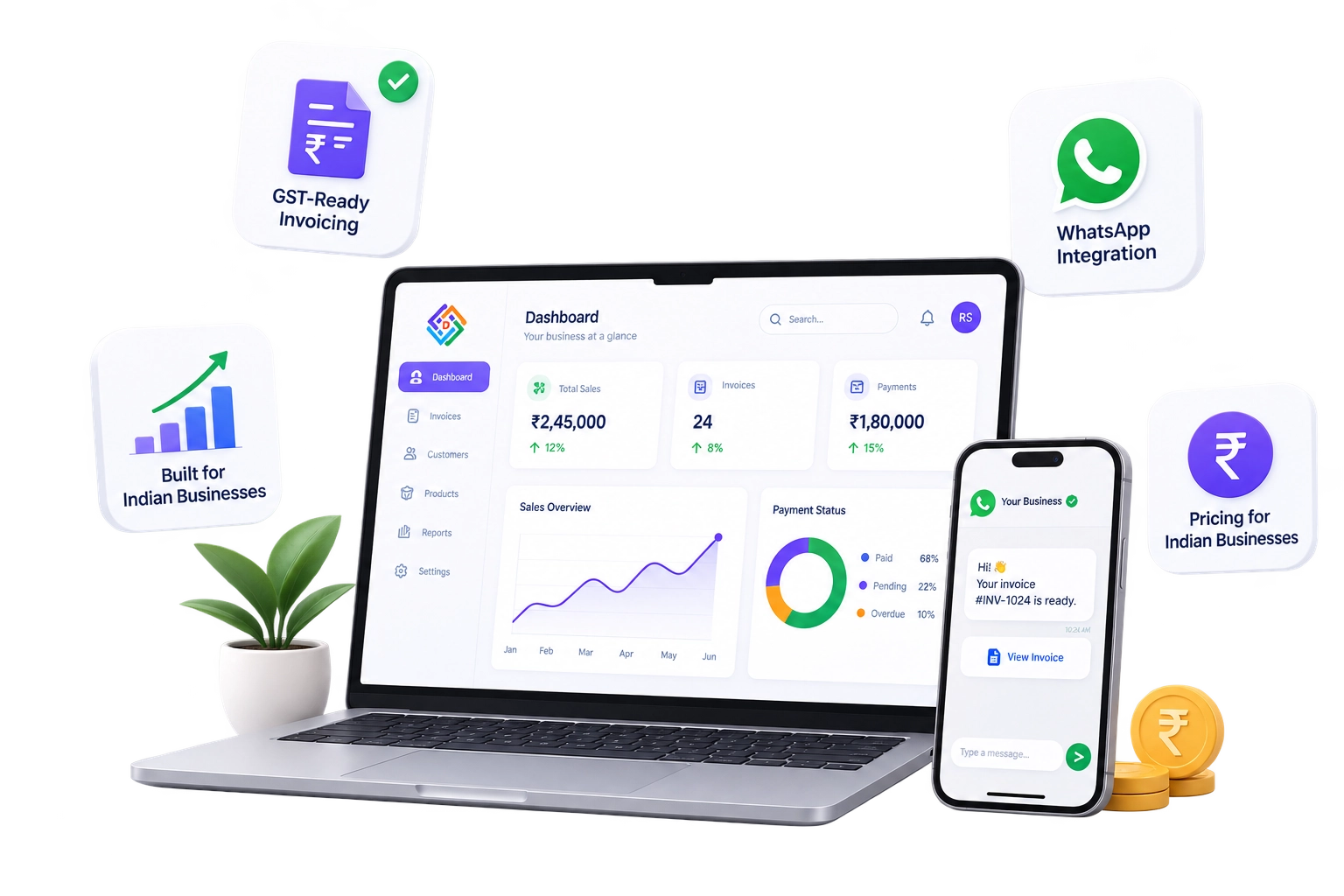
India-Relevant, Enterprise-Grade Thinking Built for MSME Scale

With India's 8.7 crore-plus registered MSMEs now formalising operations, a system built for that scale, not a scaled-down enterprise license, is the more honest fit.
case icon

What's Included In Our Automobile ERP Software?

Dhumi’s Manufacturing Systems plan is built for fabrication, machining, and components businesses. 

It covers CRM, production and job card tracking, quality paperwork, stock, automatic invoicing, dashboards, and AI-driven workflow help, all scoped to your operation. What you pay depends on your users, plants, and the modules you need, so the Dhumi team works out a plan with you rather than quoting a one-size number up front.

For industrial component manufacturers wanting deeper AI, agents that handle routine follow-ups and paperwork across the operation, the AI Platform 360 plan builds on the same foundation.

Not sure which plan fits your operation? Let’s talk it through.

Which Plan Fits Your Industrial Component Manufacturing Business

Choose a plan based on the size of your operation, the workflows you need to connect and how much automation you want to add.

Plan Best for What it covers
Manufacturing Systems Industrial component manufacturers looking to bring sales and core manufacturing operations into one connected system CRM, enquiries, quotations, production and job cards, quality tracking, stock, invoicing and dashboards
Manufacturing Systems + AI Industrial component manufacturers that want to add automation to their day-to-day operations Everything in Manufacturing Systems plus AI-driven follow-ups, alerts, workflow automation and routine operational tasks
AI Platform 360 Industrial component manufacturers looking to connect their entire operation through AI Manufacturing systems plus AI agents, automated communication, paperwork and connected workflows across teams

Not sure which plan fits your operation? Let’s talk it through.

Ready to Run Your Component Business on One System?

Industrial component manufacturers that bridge the technology gap today will gain OEMs’ trust for future projects.

India’s auto component industry grew 12.7% last year and shows no sign of slowing down. 

Every month, you run enquiries, job cards, and quality checks in five places. Meanwhile, a better-organised competitor is quoting faster than you.

Talk to Dhumi about mapping your actual workflow into a working system in 2-3 weeks. No fixed license fee. 

No build-and-disappear contract. Just a monthly partnership that grows with your business.

Frequently Asked Questions About
ERP & CRM For Component Manufacturers

Explore our most frequently asked questions to get started.

No. For most industrial component manufacturers, one combined system is better than using two separate tools. Enquiries, quotes, production, and quality all touch the same order, so tracking them in one place avoids the mismatches that happen when a CRM and ERP live apart.

Tally is good for accounting, but it doesn't track job cards, manage quality paperwork, or handle OEM inquiries. 88% of Indian SMEs still lean on Tally, Excel, and WhatsApp together for day-to-day work, a workaround that gets harder to keep up as OEM order volume grows.

With Dhumi, a working system is typically live in 2-3 weeks, covering the core workflow your team needs on day one. You'll work on every other module through the monthly partnership. This way, you won't have to wait long to use anything.

Cost depends on your plants, users, and the modules you need. Dhumi doesn't offer a fixed number. Instead, it maps your operation first. Then, it provides a clear plan for you to review.

Yes. Quality checks and inspection data are recorded during work. This way, PPAP-style paperwork is ready for OEM audits. It's better than compiling it manually later.

Choose CRM software for the automotive industry designed for B2B enquiry-to-order workflows, quote tracking, and technical reviews across multiple account decision-makers. Dealership CRMs built for consumer sales, test drives, and service reminders will not suit component manufacturers handling OEM inquiries and multi-step approvals.

Yes. Dhumi's AI-driven workflow tools use WhatsApp for updates and follow-ups. This cuts down on the manual chasing that often happens over chat.

Still have questions?

Support details to capture customers that might be on the fence.