Best CRM Software In India
For Businesses That Have Outgrown Spreadsheet

Most "best CRM software in India" lists rank the same five tools against each other. This page starts one step earlier: whether a ready-made tool fits your business at all, or whether a CRM built around how you actually sell gets you further, faster.

Supported by

NVIDIA sponsorship
sponsorship1
Deflinks client logo
skylimits logo client
riysash client logo
vgc logo client
shah Brothers
Elthium Health client logo
Easy Abroad  client Logo
Chemismith Lab client logo
Arasu Gold company Client logo

Why Your Team Still Loses Deals Even With A CRM In Place

What Best Actually Means For CRM Software In India

Indian businesses are actively adopting CRM systems, making the best CRM software in India one that fits their actual sales process. The right CRM software India solution should be simple, flexible, and easy for teams to use.


A custom CRM software development approach can include:

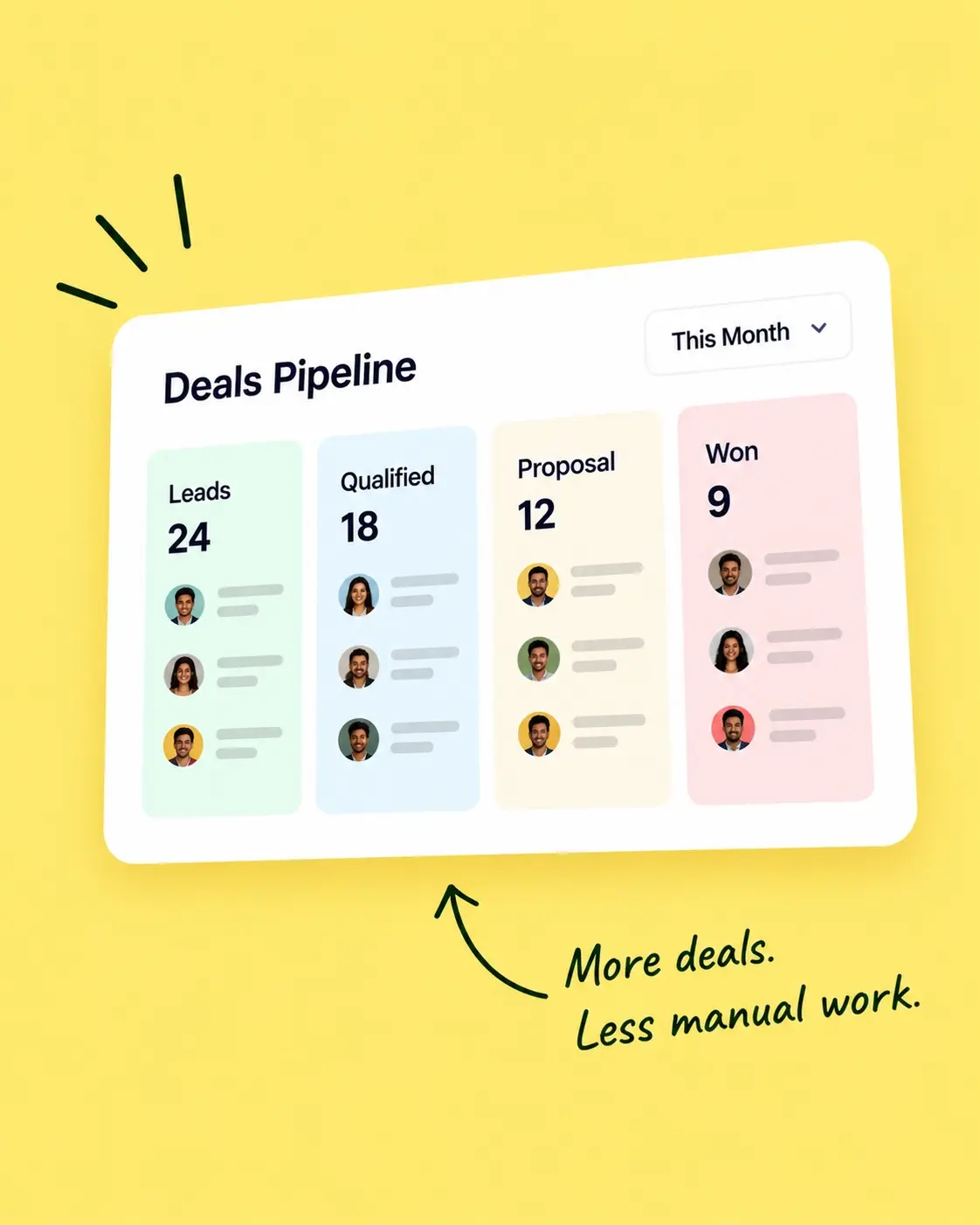
Custom sales pipeline

With stages, fields, and deal structures that match how your team actually closes, not a generic template

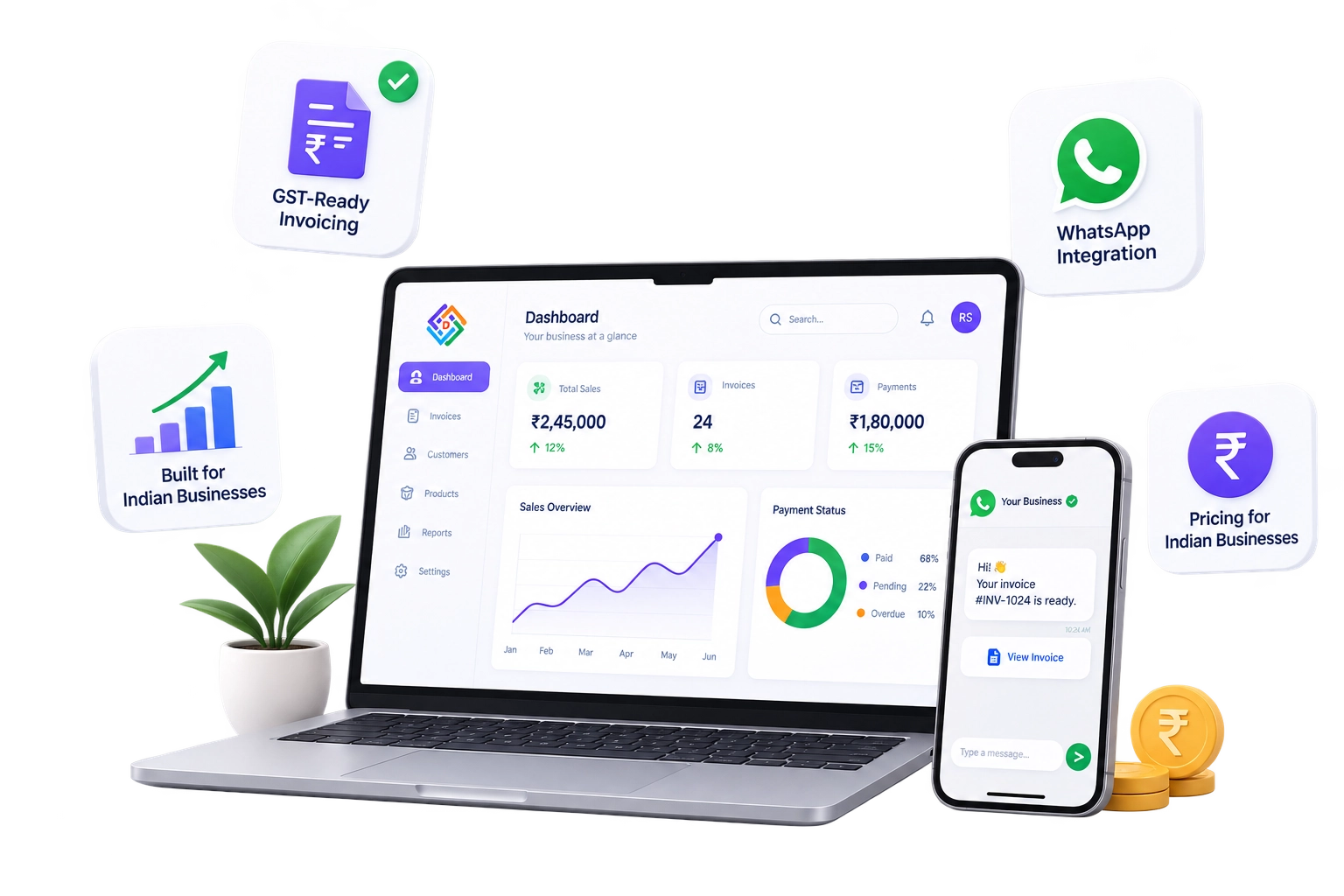
GST-compliant invoicing

With quotes and invoices generated straight from the CRM, no separate billing tool

Role-based dashboards

Where owners see pipeline health, reps see their own queue, and nobody sees what they shouldn't

Third-party integrations

That connect to the accounting, ERP, or WhatsApp Business tools you already run

Customer segmentation

Group customers by spend, frequency, or product interest to run offers that actually land

Mobile CRM access

For field and sales teams, so a deal or a call gets logged from a phone, not just a desktop

AI-assisted follow-up and lead routing

That nudges the next action instead of relying on memory

How Does A Custom CRM Actually Get Built In Weeks, Not Months?

The honest answer starts with process, not a sales pitch: Dhumi maps how your team actually sells (what a lead looks like, how a deal moves, who needs to see what) before a single screen gets designed. That mapping step is what makes a fast build possible for anyone comparing the best CRM software in India; skipping it is why most software projects run long.

  • 2–3 weeks to a working MVP your team is actually using
  • 3 clearly scoped tiers, Business Systems, Manufacturing Systems, and AI Platform 360, so you're not guessing what's included
  • Monthly, effort-based partnership so the system keeps evolving after launch instead of shipping once and going stale

68% of MSMEs report measurable business growth after adopting digital technology. 

That return isn’t hypothetical. It shows up in normal operating metrics like faster follow-up, better pipeline visibility, and fewer missed leads, not just a nicer-looking dashboard.


Most software vendors sell a license and move on to the next customer. A monthly partnership model only continues if the client keeps getting value from it, which changes the incentive on both sides.

How Does Dhumi's Custom CRM Development Process Work

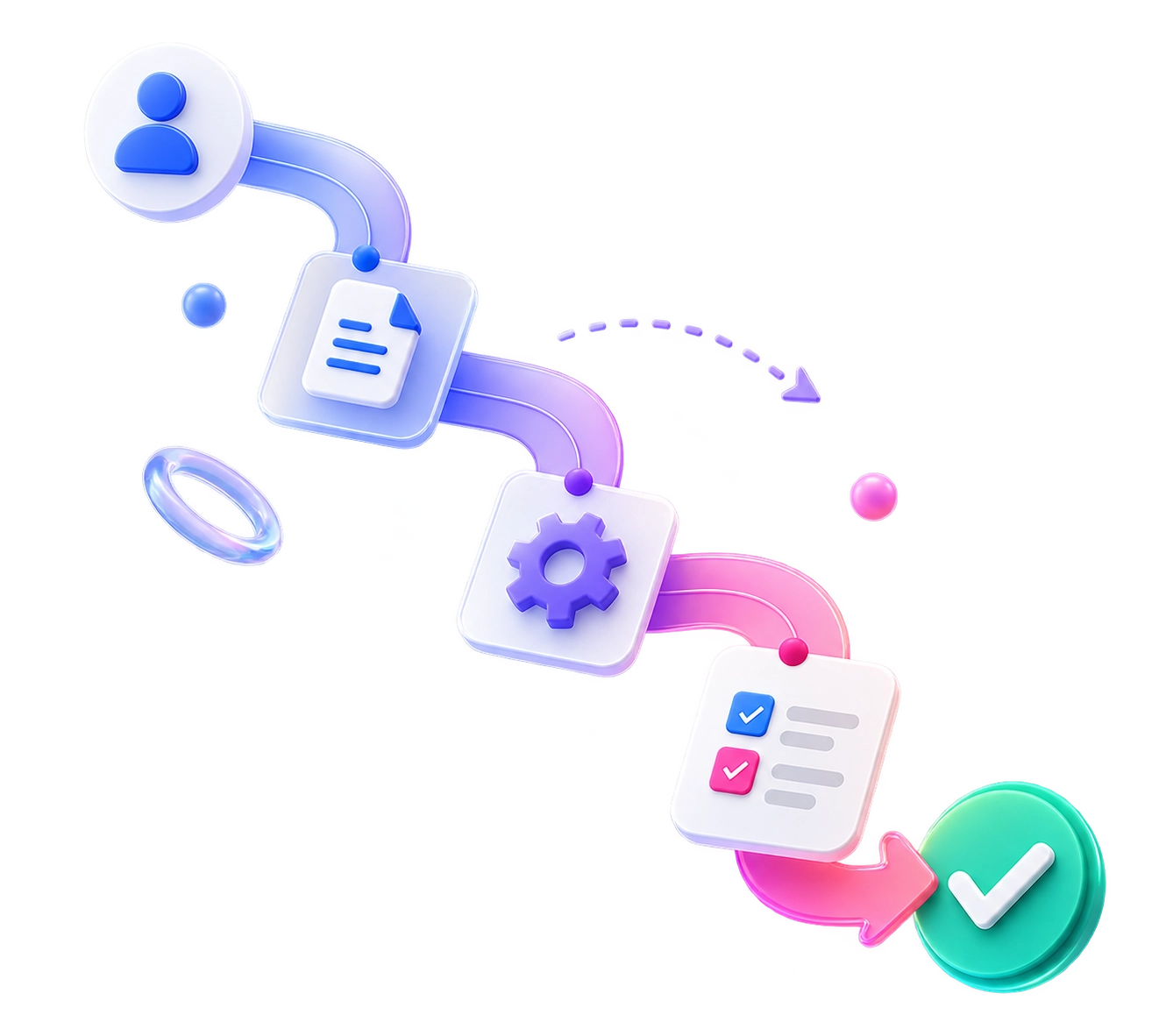
Week 1

Map your workflow

Dhumi's team sits with your sales and ops process to see how a lead actually becomes a customer today, including the WhatsApp threads and side spreadsheets nobody talks about officially.

Week 1–2

Design the pipeline and data model

Deal stages, custom fields, and role permissions get built around what you described, not a template.

Week 2–3

Build and connect the working MVP

Core CRM functions ship live, connected to the tools you already use for accounting, WhatsApp Business, and existing spreadsheets.

Week 3

Migrate existing data

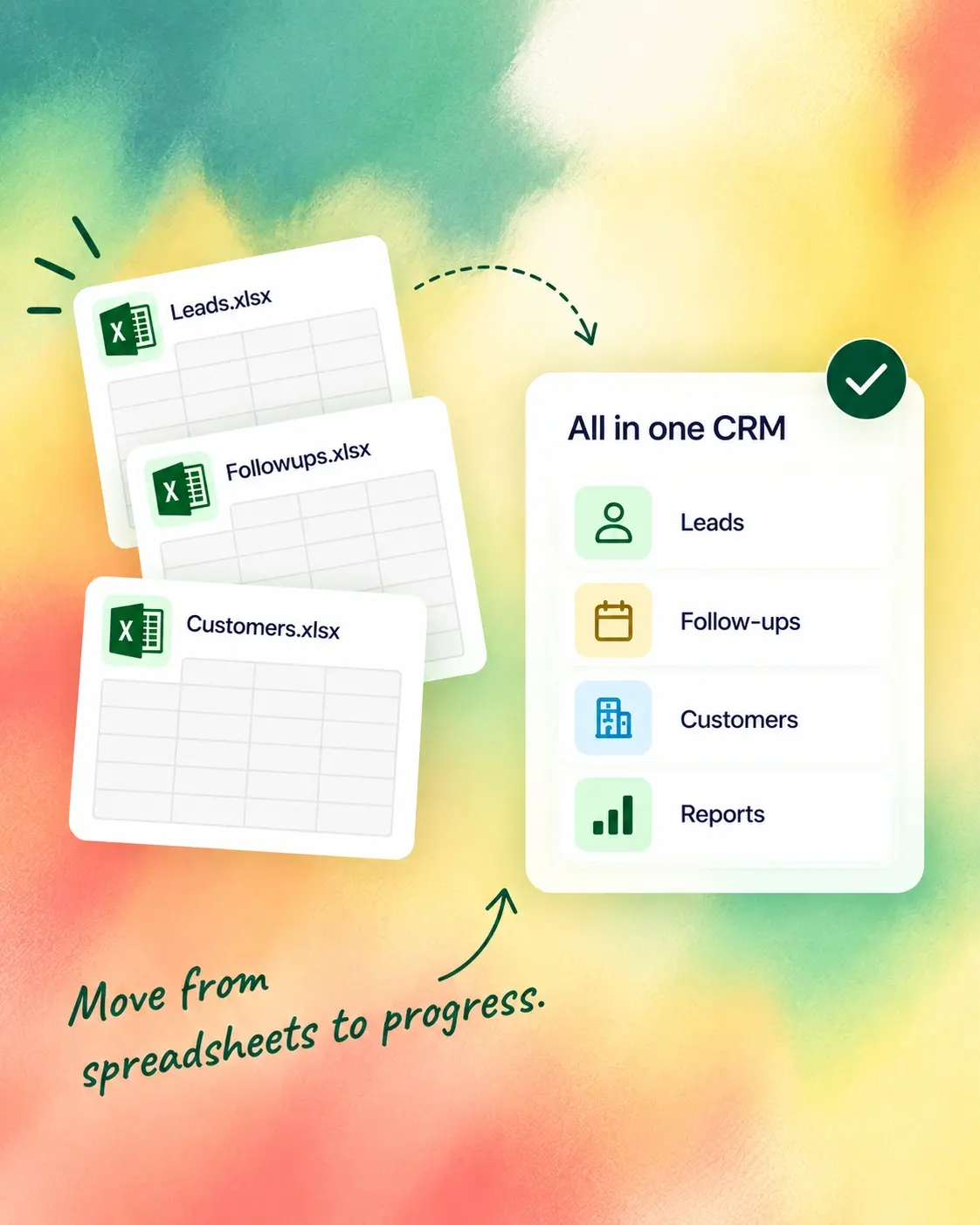
Contacts and deal history move over from your current spreadsheets or CRM. This step matters more than it sounds, given how error-prone manual spreadsheet upkeep already is.

Ongoing

: Monthly iteration

Once the team is using it daily, the system keeps changing with real usage: new fields, new sales automation, new integrations, billed as part of the monthly partnership rather than a fresh project each time.

Why Choose Dhumi Over A Generic CRM Software Development Company In India

gradient-border

Built around your actual workflow

Not a template with your logo on it, and not a generic "custom CRM" pitch with no specifics behind it
case icon
gradient-border

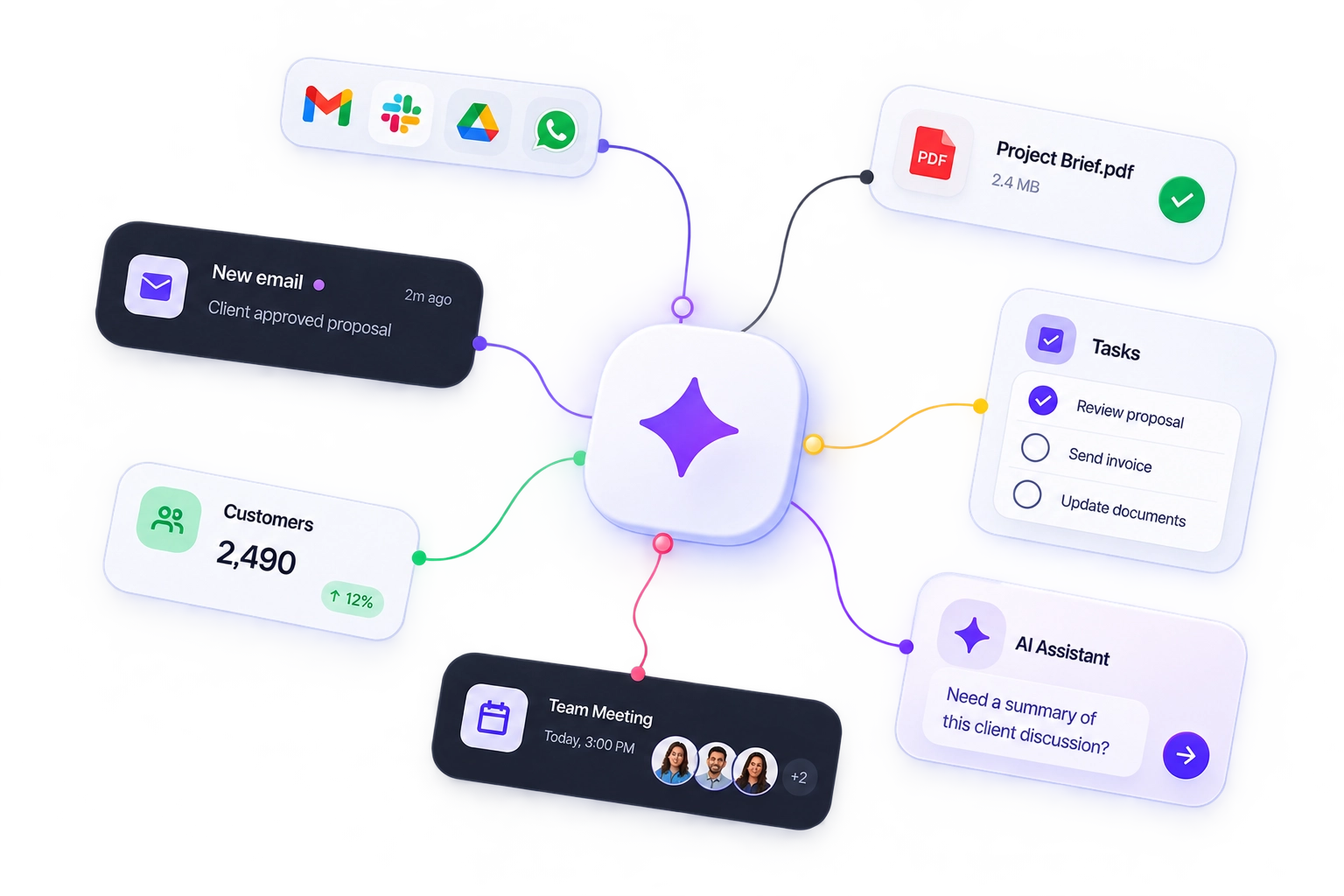
AI embedded in the operational layer

AI built into daily work, sorting tasks and handling documents inside the system, not sold as a separate add-on
case icon
gradient-border

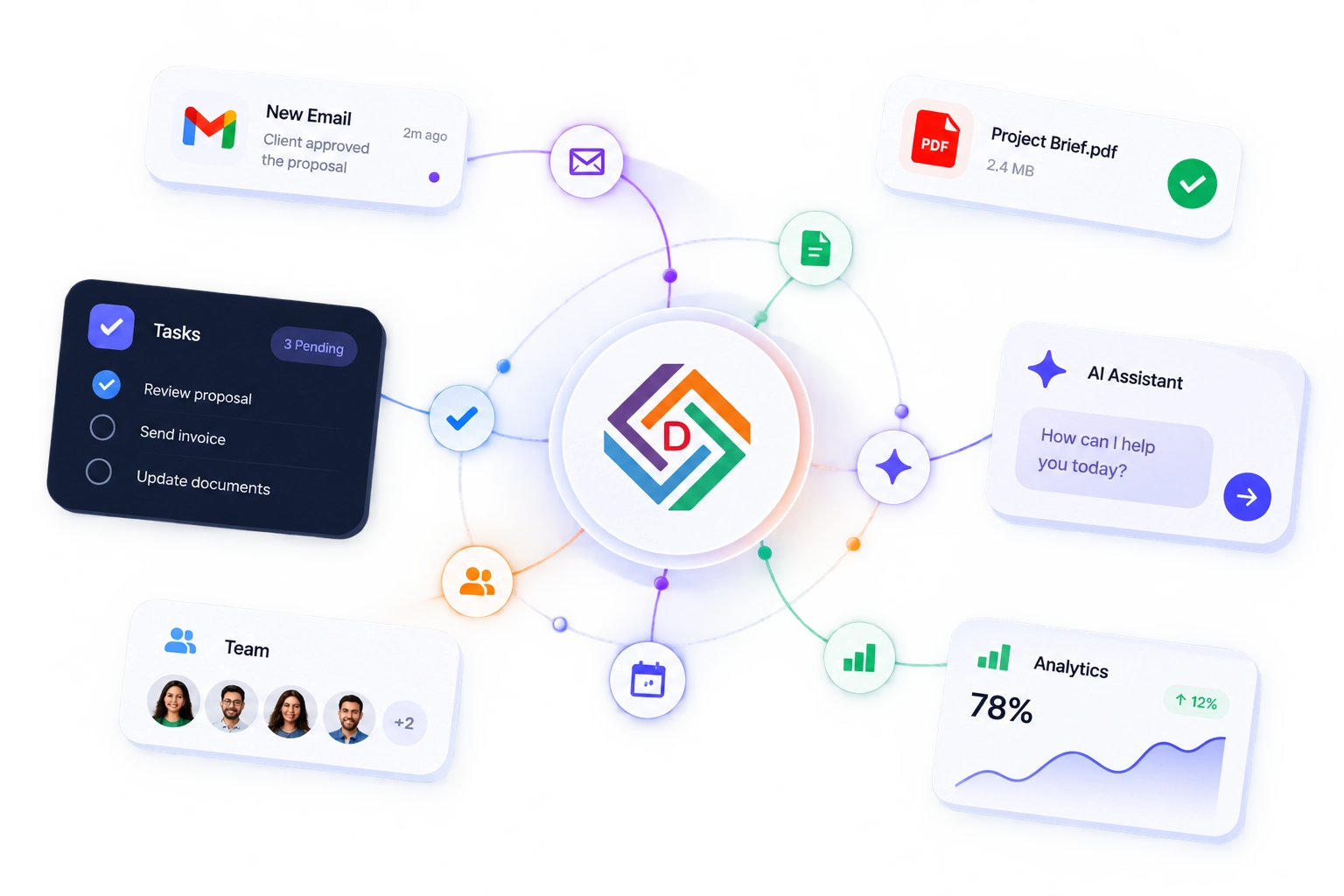
One connected platform

One all-in-one platform instead of a pile of separate apps, spreadsheets, and WhatsApp chats
case icon
gradient-border

Transparent monthly partnership

No license-and-disappear model; the system is maintained and evolved as your business changes

case icon

India-relevant scoping with enterprise-grade thinking

workflow-mapping rigor larger consultancies use, right-sized for SMB and manufacturing budgets
case icon

What You Get With A Custom CRM In India

Every business’s needs are different, so scope is shaped around your workflow rather than sold off a fixed price list. Here’s how the three tiers differ by fit for teams evaluating CRM software India vendors

Plan Best for
Business Systems for SMBs Retail, distribution, agencies, education, and other SMBs currently running on spreadsheets or a CRM that doesn't fit
Manufacturing Systems Fabrication, machining, and components businesses that need CRM tied directly into production and dispatch tracking
AI Platform 360 Businesses and startups that want a broader connected platform with AI agents and additional communication layers

Every tier includes the same starting point: workflow mapping, a working MVP in 2 to 3 weeks, and monthly evolution after launch. The difference is scope and depth of automation, not the process.

Not sure which tier fits your operation? Let’s talk it through.

Frequently Asked Questions About
CRM Software In India

Explore our most frequently asked questions to get started.

The best CRM software for small business in India depends on whether an off-the-shelf tool's structure matches how your team actually sells. If it does, a ready-made platform like Zoho or a similar tool can work well. If your process is different enough that you're already building workarounds, a custom-built CRM tends to serve small businesses better long-term.

CRM software development cost in India varies by scope: an SMB-focused system, a manufacturing-focused system, and a broader AI-driven platform each carry different starting points depending on modules and complexity. Rather than quote a fixed number here, Dhumi scopes cost against your actual workflow during a free audit, so the figure reflects what you need rather than a generic estimate.

Whether a custom CRM is better than an off-the-shelf CRM for small businesses isn't a universal yes. Off-the-shelf tools are faster to start with and cheaper up front, which suits businesses with a simple, standard sales process. A custom CRM pays off once your workflow is specific enough that you're bending a generic tool's data model to fit it, since off-the-shelf platforms are structurally limited to what their vendor built for the broad market.

A project with a CRM software development company in India like Dhumi delivers a working MVP in 2–3 weeks, not the 3 to 6 months some timelines quote. Migration and deeper automation continue after that initial build, as part of the ongoing monthly partnership.

Whether your small business needs a CRM or spreadsheets are enough comes down to scale: spreadsheets work fine for a handful of customers and one salesperson. Once multiple people touch the same file, or you're managing more than a few dozen active leads, the lack of automation and audit trail starts costing real time, and close to 90% of spreadsheets contain significant human error. That compounds as your customer base grows.

CRM software for small business in India should include, at minimum: a sales pipeline that matches your actual process, automatic lead capture, GST-compliant invoicing, and role-based dashboards. WhatsApp capture deserves special mention, since it's used by 97% of surveyed Indian MSMEs. Beyond that, the right feature set depends entirely on your workflow, which is the argument for mapping it first rather than picking features off a comparison chart.

Yes, Dhumi's CRM connects to tools you're already using, like WhatsApp Business or your accounting software. Third-party integrations are part of the standard build across all three tiers, connecting the CRM to your existing accounting, ERP, or communication tools rather than asking you to replace them.

The scoping model matters as much as the feature list here: Dhumi's monthly, effort-based partnership means the CRM keeps getting built out as your business changes, rather than being frozen at whatever was scoped on day one.

Still Have Questions?

Support details to capture customers that might be on the fence.