Map your sales process
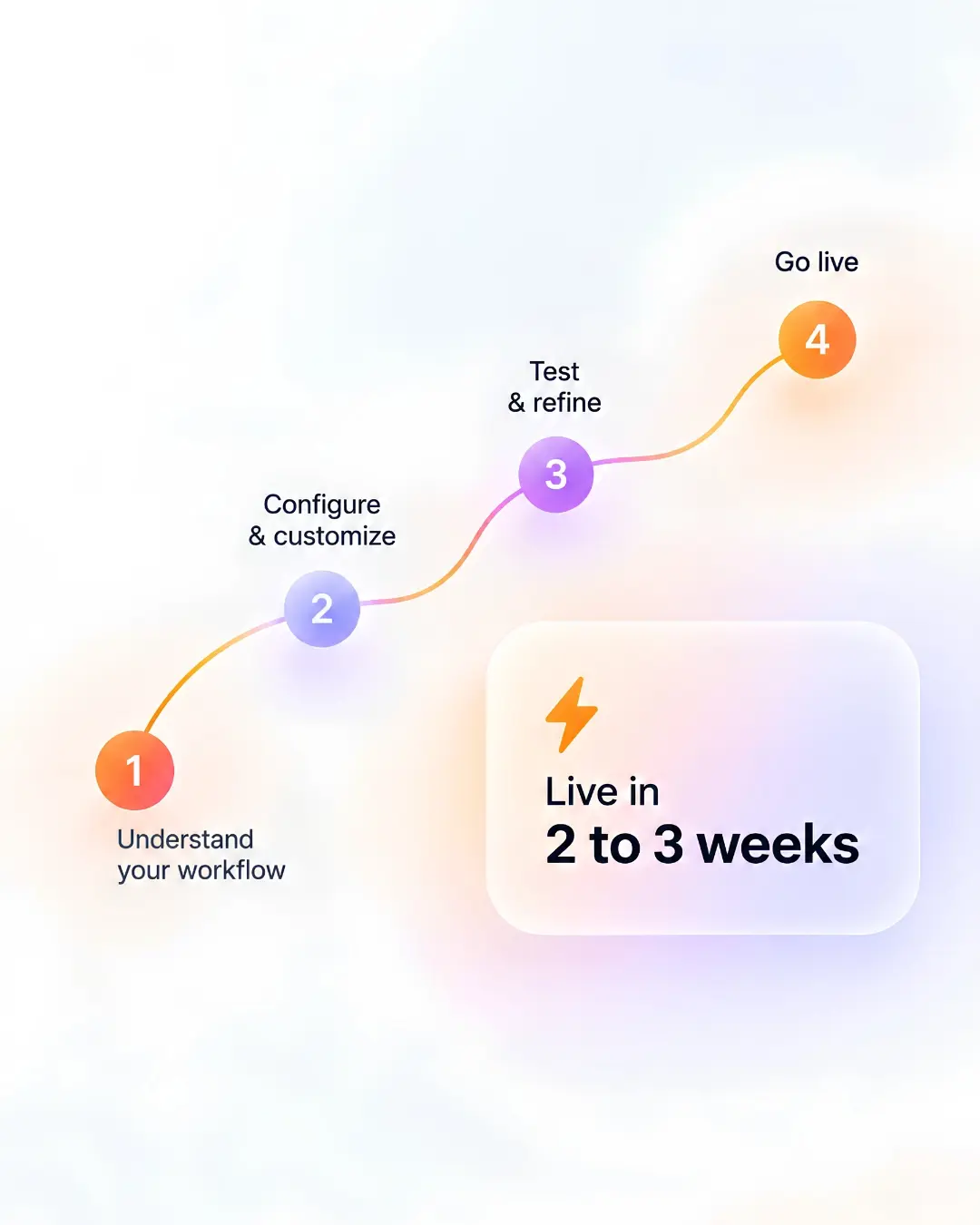
Dhumi's team walks through how leads actually reach you today, WhatsApp, calls, walk-ins, and where they currently fall through


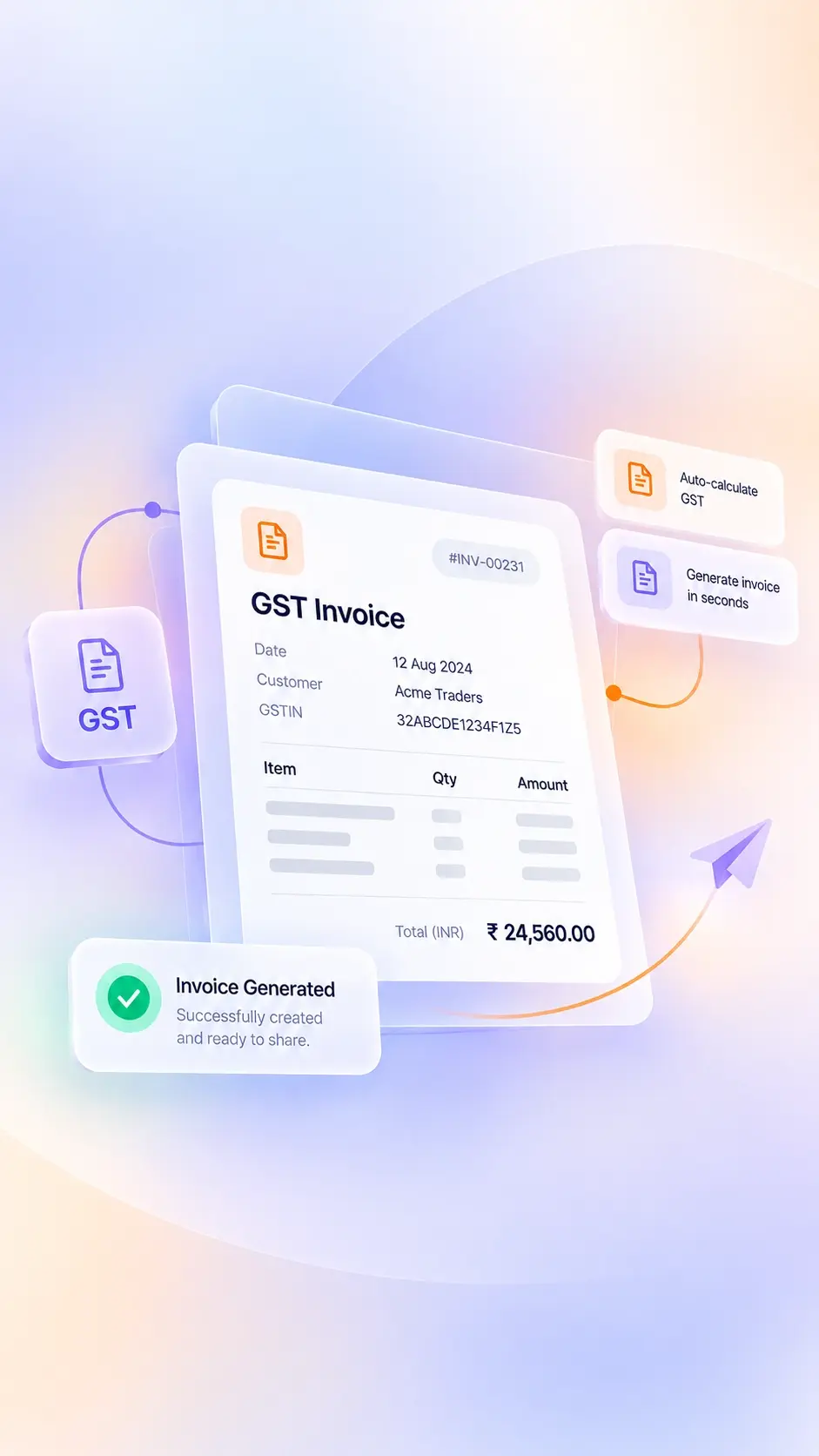
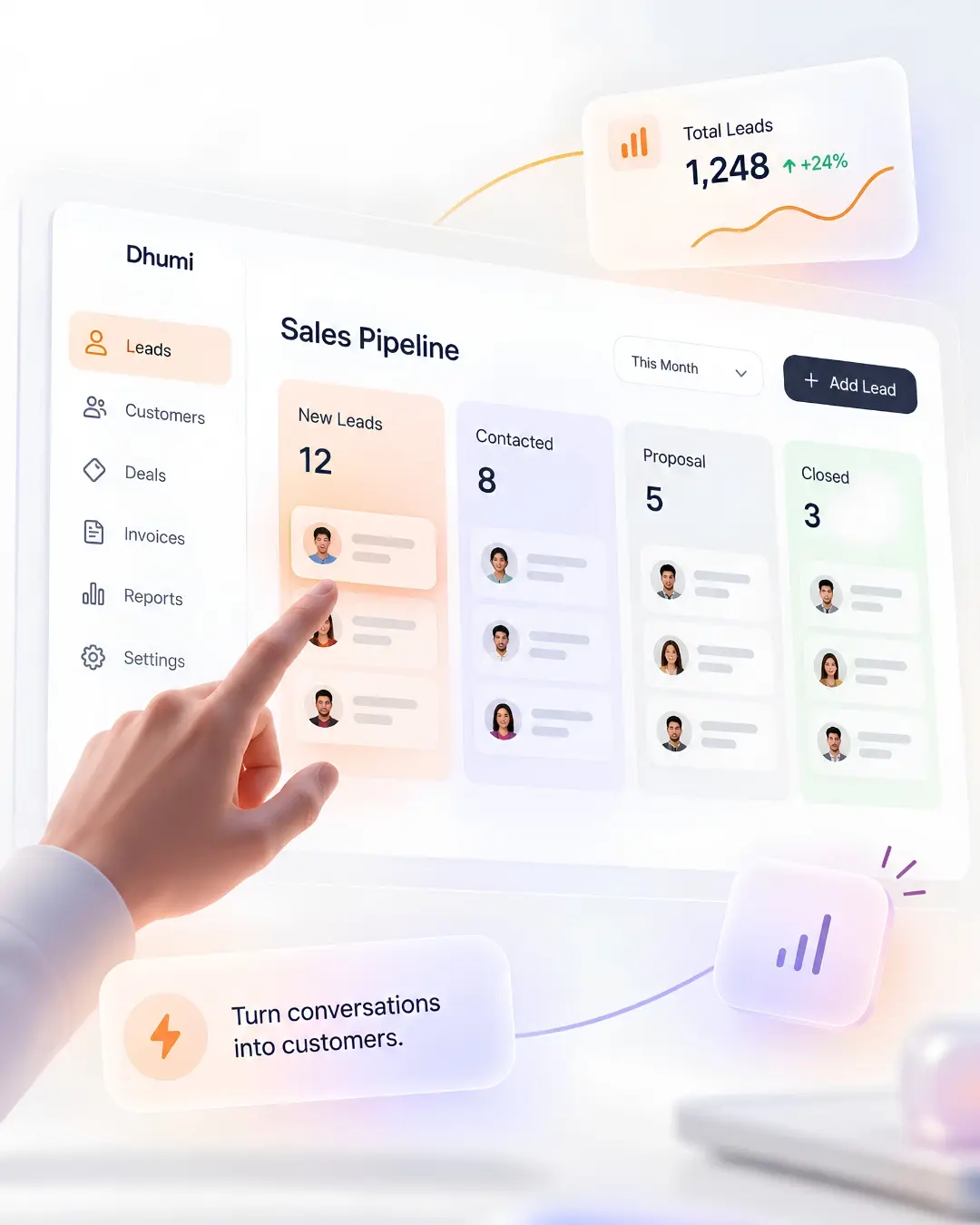
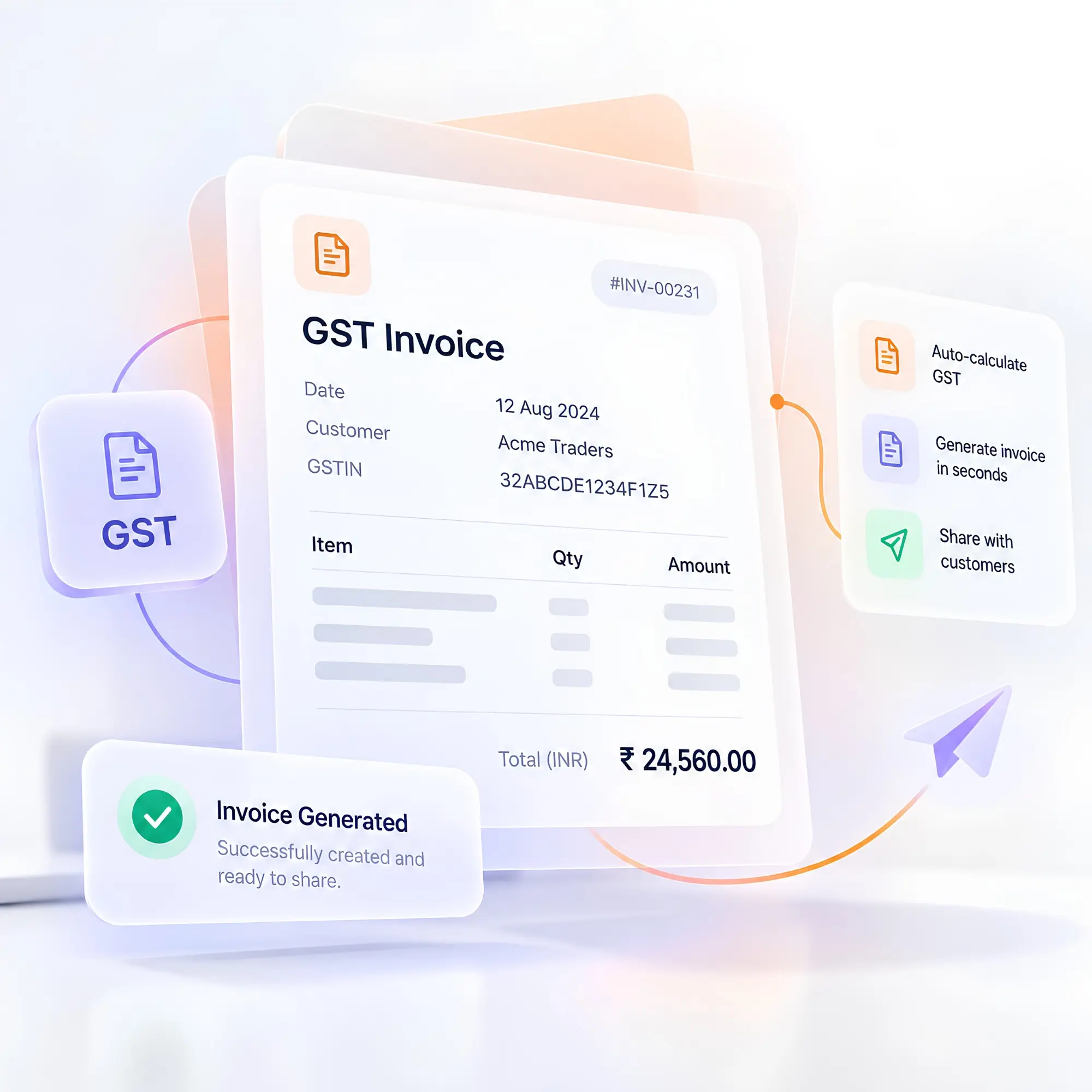
A CRM for small business should fit how your team already sells, not the other way around. Most don't. You spend a weekend setting up pipeline stages that don’t fit your sales process. By month two, the team quietly returns to WhatsApp and spreadsheets. Dhumi builds a custom CRM for small business around the way your business already runs, WhatsApp leads, GST invoicing, and all, with a working system live in 2 to 3 weeks.
Supported By


Half of businesses with fewer than 10 employees use a CRM. It’s not that they don’t need one. Many people quit when they compare pricing pages. They see that the pipeline stages don’t fit how their team sells.
If you’ve been down this road already, some of this will sound familiar:

Search for the best CRM for small business and you’ll find dozens of tools ranked by price and feature count: Zoho, HubSpot, Salesforce, Pipedrive, and a long tail of “free forever” plans. They’re not bad products. They’re just built for an average business, and your business isn’t average.
| Feature | Off-the-shelf CRM software | Dhumi's Custom CRM |
|---|---|---|
| Pipeline stages | Generic, you adapt to them | Mapped from your actual sales process |
| Pricing | Per user, climbs with team size | One flat monthly retainer |
| Bolted on, often a paid add-on | Built into lead capture from day one | |
| Invoicing | Usually a separate tool | Included, GST-ready |
| Changes after launch | New request, new quote | Part of the monthly partnership |
The global CRM market is projected to hit $126.17 billion in 2026, a sign of how central customer data management has become, even for small teams. A CRM for small businesses built by Dhumi typically includes:

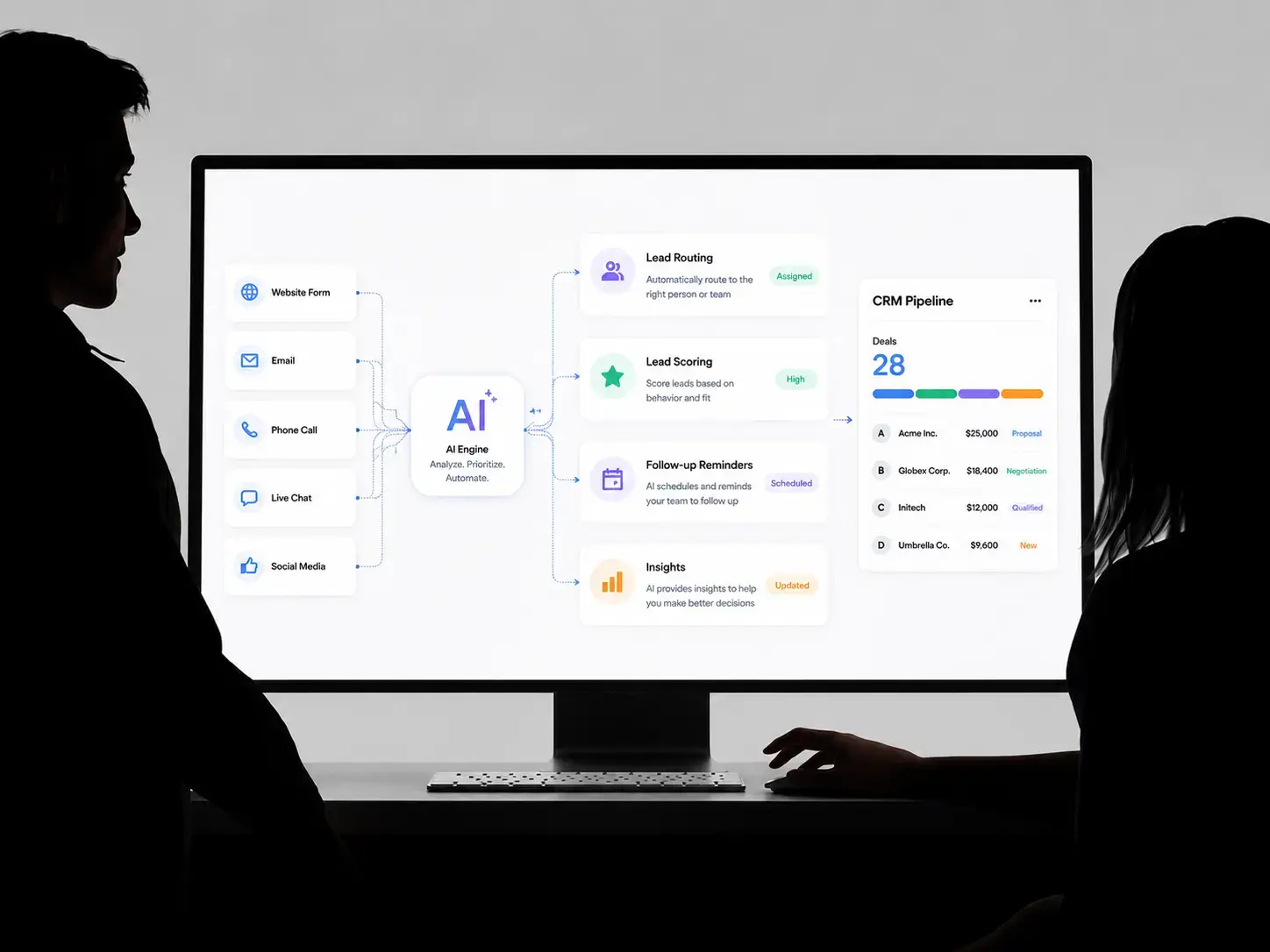
AI works best when it's built into the steps your team already takes, not sold as a separate add-on. AI is now in 83% of companies for automation and personalization (DemandSage, 2026). Its real value lies in efficiently managing routing, scoring, and reminders in your pipeline. It’s not just a chatbot added on the side.
Search for the best CRM for small business and you’ll find dozens of tools ranked by price and feature count: Zoho, HubSpot, Salesforce, Pipedrive, and a long tail of “free forever” plans. They’re not bad products. They’re just built for an average business, and your business isn’t average.
| Metric | What it means |
|---|---|
| 2 to 3 weeks | Time to a working CRM MVP your team can actually use |
| 3 scoped tiers | Transparent scoping based on what your business needs, not a seat count |
| Monthly, effort-based | A partnership that continues only if it keeps delivering value |
Dhumi's team walks through how leads actually reach you today, WhatsApp, calls, walk-ins, and where they currently fall through
A functional pipeline, lead capture, and dashboard go live for your team to start using, not a mockup.
Spreadsheets and old contact lists get cleaned and moved in, so nothing gets left behind or re-typed by hand.
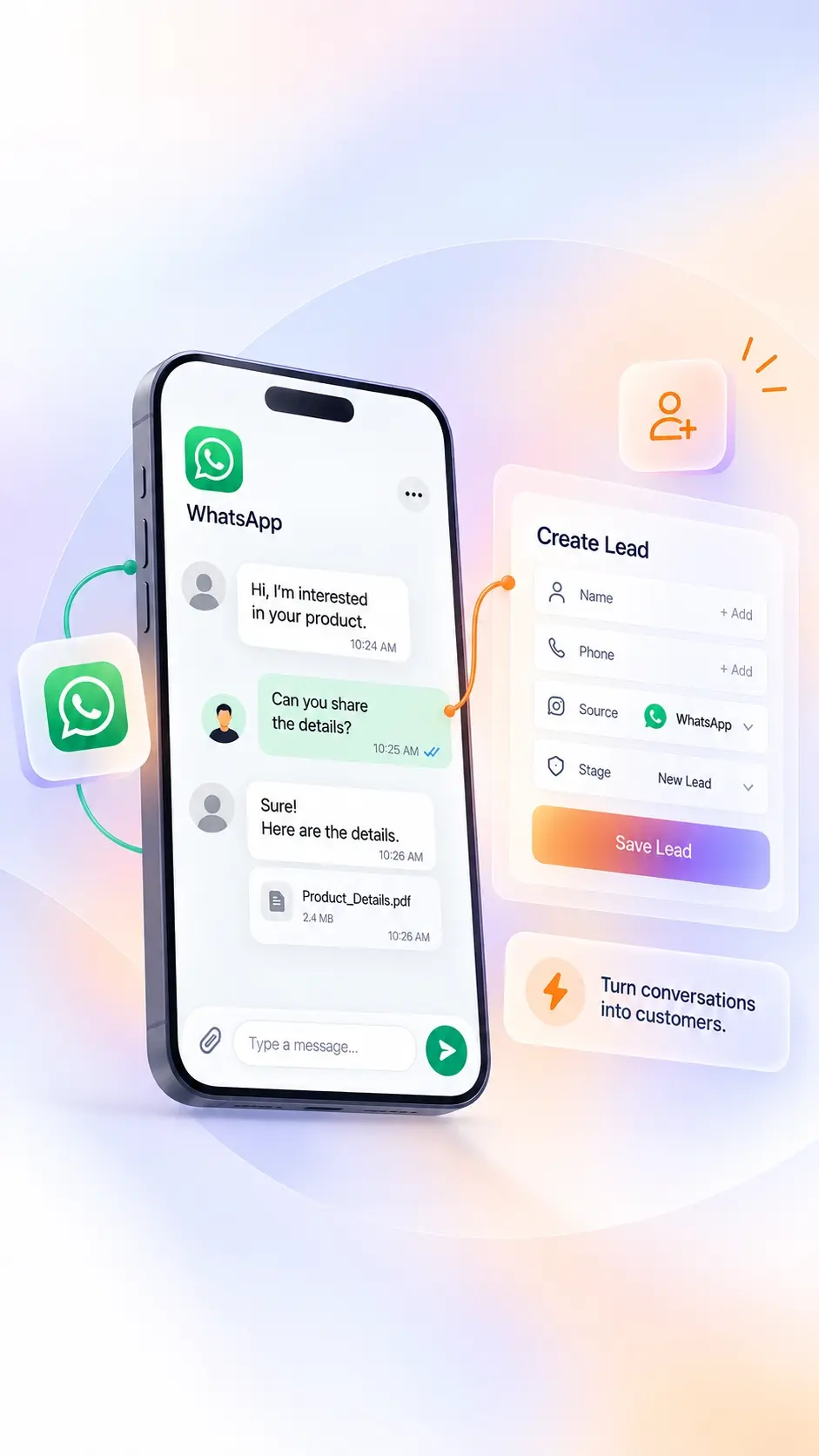
With 80% of small businesses in India already relying on WhatsApp to talk to customers (D7 Networks, 2026), this one connection usually matters more to daily use than any other single feature.
Short, practical onboarding so the system gets used from day one instead of sitting idle.
The system changes as your business does, through the same monthly partnership.
With the India CRM market growing at a projected 19.10% CAGR through 2035, more small businesses are shopping for CRM software for small businesses every year. The differentiator is whether the system gets built around your process, or you get built around the system.

Built around your actual workflow, not a generic template you have to adapt to

One connected platform: CRM, invoicing, dashboards, and WhatsApp in one system instead of three subscriptions stitched together
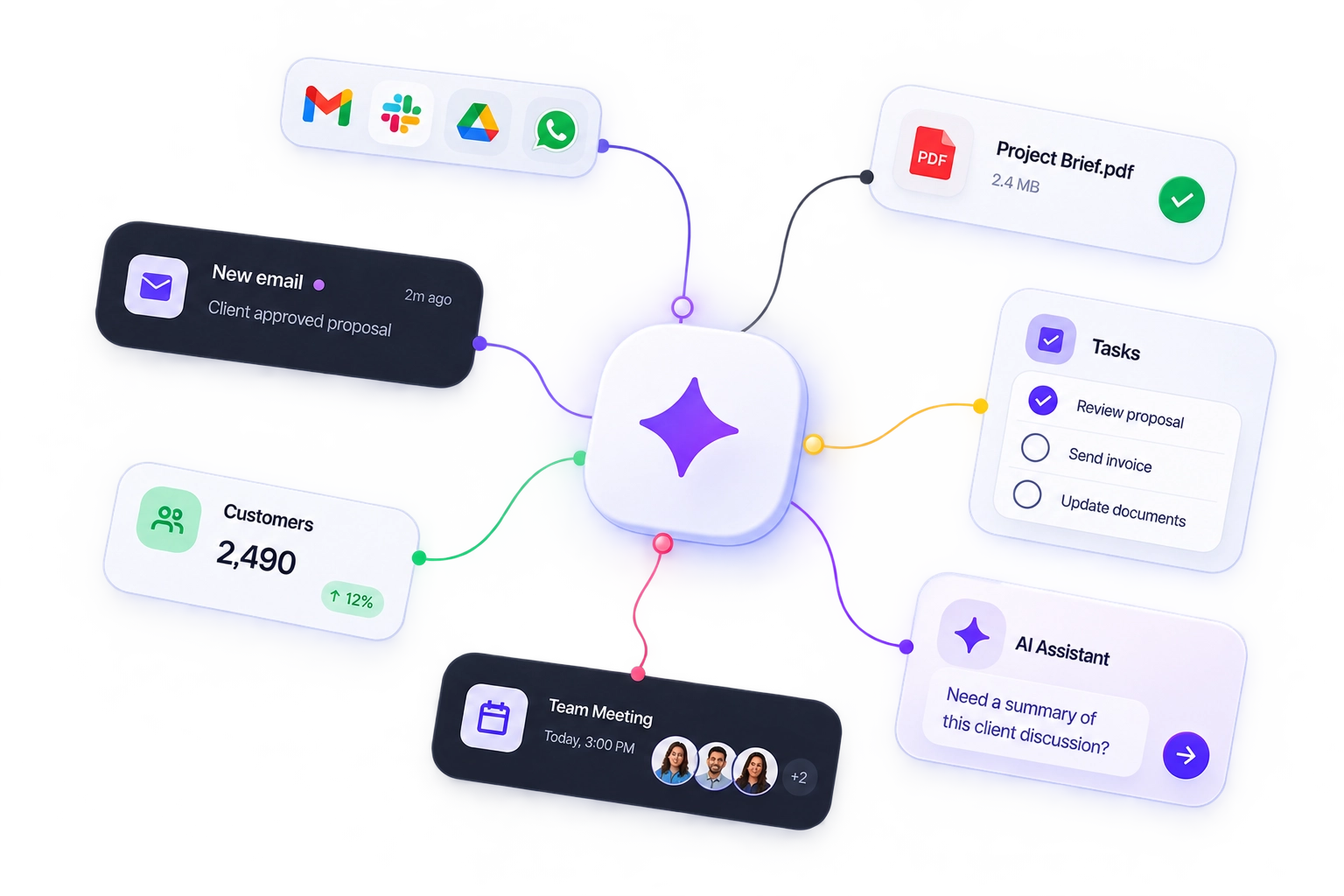
AI embedded in the workflow: routing and reminders happen inside the process, not as a separate bolt-on
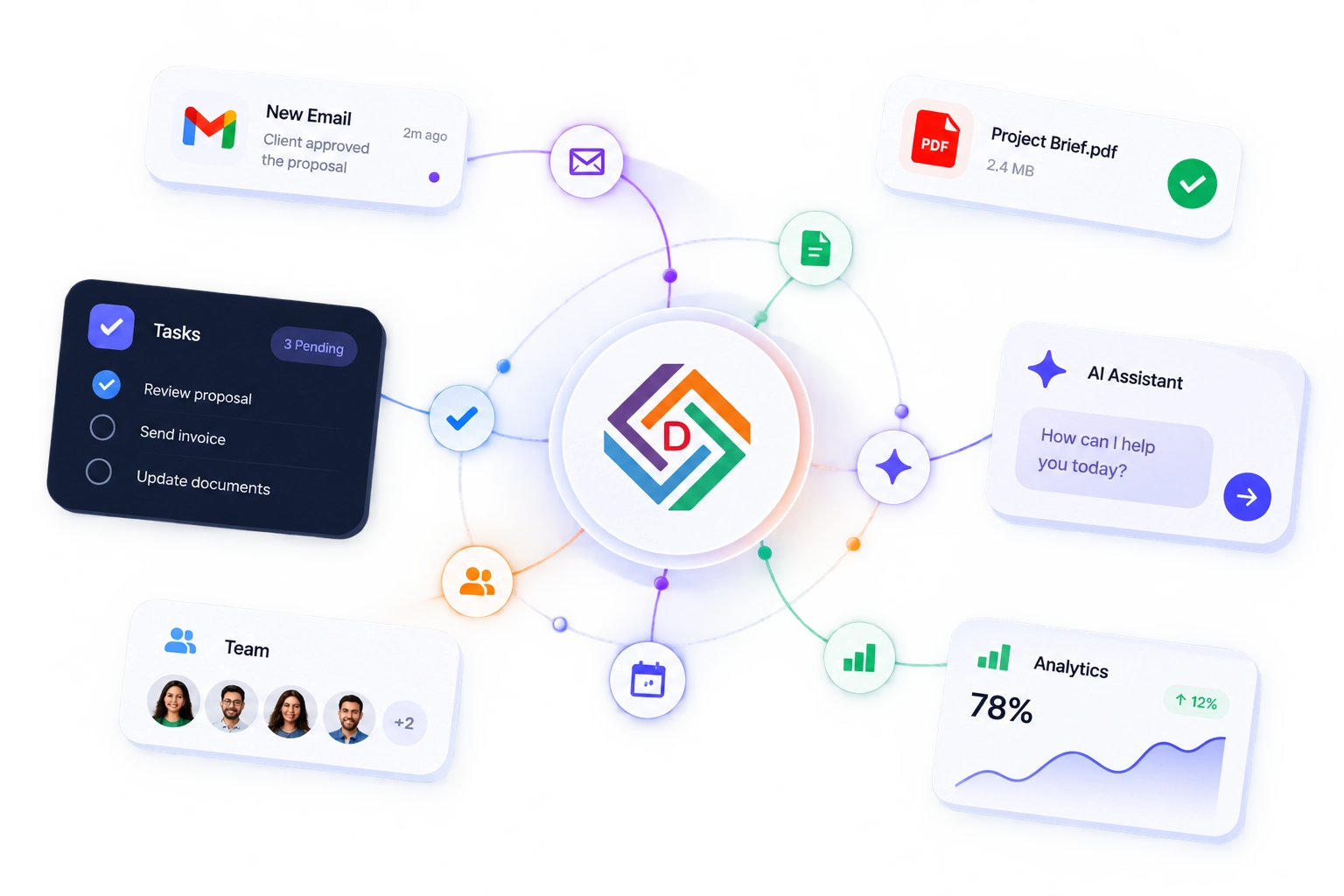
Transparent monthly partnership, not a one-off build-and-vanish project

India-relevant from day one: GST-ready invoicing and native WhatsApp handling, built for how Indian SMBs actually sell
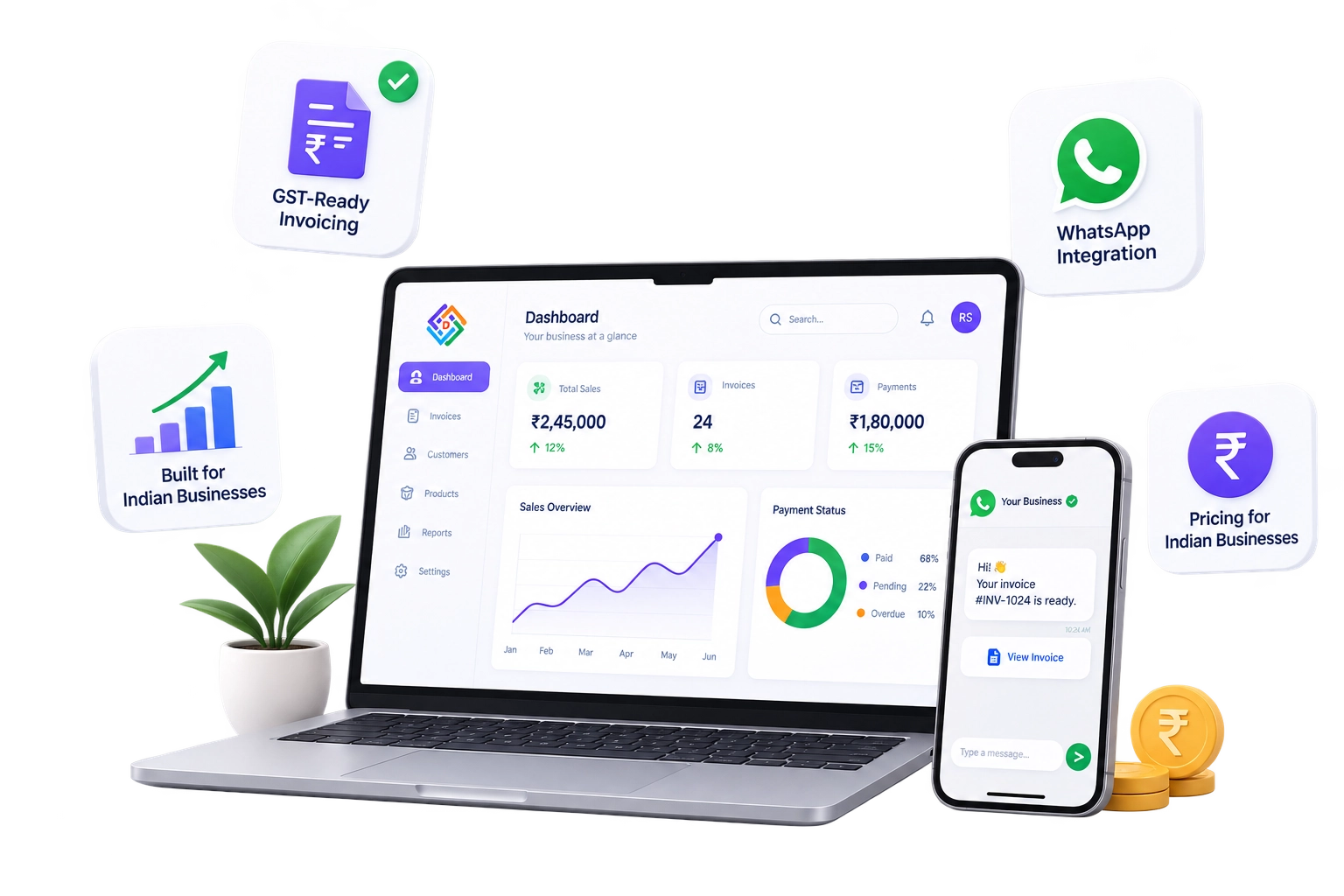
Not sure which plan fits your operation? Let’s talk it through.
The right CRM for small business isn't the one with the most features. It's the one your team actually opens every morning. Businesses using CRM tools earn about $8.71 for every $1 spent (Salesmate, 2026). This only happens if the system is actively used.
Explore our most frequently asked questions to get started.
It depends on how your business already captures and follows up on leads. If your team uses WhatsApp, spreadsheets, and manual follow-ups, a system designed for that setup will be used more often. This is better than a generic tool from a "best CRM for small business India" list.
Off-the-shelf CRM software for small business typically runs ₹500 to ₹3,000 per user per month before add-ons (Salesforce, 2026), which climbs fast as a team grows. Dhumi's custom-built option is priced as a flat monthly retainer instead, so the CRM, dashboards, invoicing, and integrations come as one system with no per-seat surprises.
If your sales process is close to standard and your team is comfortable configuring software, an off-the-shelf tool can work fine. If you've tried one before and it didn't stick, that's usually a sign the pipeline never matched how your team actually sells, the exact problem a custom CRM for small business solves.
A Dhumi custom CRM typically has a working MVP live in 2 to 3 weeks, covering pipeline, lead capture, and dashboards, with WhatsApp and invoicing connected in the same window.
Yes. About 60% of Indian SMBs use the WhatsApp Business App or API to connect with customers (WABA NXC, 2026). So, integrating WhatsApp directly into the CRM is central to Dhumi's design, not just an extra feature.
If leads are tracked in spreadsheets, notebooks, and WhatsApp chats, a CRM can help. Its main job is to prevent leads from getting lost between the first message and follow-up. It also ensures customer retention isn't based on one person's memory.
The monthly partnership model exists for exactly this. Changes are included in your monthly work instead of paying for a rebuild. This allows your process to evolve smoothly.
Several off-the-shelf tools offer free tiers, usually with limits on users, contacts, or automation. They're a good start for small or early-stage teams. However, most small businesses quickly hit the free tier's limits. This happens long before they really need a proper CRM.
Support details to capture customers that might be on the fence.